

Glaucoma is a group of eye conditions that damage the optic nerve, often leading to gradual vision loss. Commonly known as the “silent thief of sight,” it can progress unnoticed until peripheral vision begins to diminish. A frequently asked question about glaucoma is whether it’s hereditary; and the answer is yes. Having a family history of glaucoma can significantly increase your risk of developing the condition.
Early Glaucoma Symptoms
In its early stages, glaucoma often causes no pain or obvious vision changes. This makes it difficult to detect without a comprehensive eye exam. As the condition progresses, peripheral vision may gradually narrow, sometimes going unnoticed until it significantly affects daily life.
Symptoms of early or progressing glaucoma may include:
- Blurred or patchy peripheral vision
- Increased difficulty seeing in low light
- Eye discomfort or redness in rare cases
- Halos around lights (more common with angle-closure glaucoma)
- Slow loss of side vision
Although many symptoms are subtle or absent at first, glaucoma can lead to permanent vision loss if left untreated. That’s why regular eye exams are crucial, especially for people with elevated risk.
Is Glaucoma Genetic?
A strong link exists between family history and the likelihood of developing glaucoma. If someone has a first-degree relative with glaucoma, a parent or sibling, their own risk of developing the condition is significantly higher.
Factors that suggest a genetic connection include:
- Having a parent or sibling diagnosed with glaucoma
- Being part of a family with a history of early-onset vision issues
- Multiple relatives with the same type of glaucoma
Some types of glaucoma have stronger hereditary patterns than others. For example, primary open-angle glaucoma (POAG) is the most common form and often runs in families.
Inherited Gene Mutations Associated with Glaucoma
Scientific studies have linked several gene mutations to different forms of glaucoma. These mutations can impact how the eye manages fluid drainage or how the optic nerve handles pressure over time.
Common genes linked to glaucoma include:
- MYOC (Myocilin): Associated with some cases of POAG
- OPTN (Optineurin): Linked to normal-tension glaucoma
- CYP1B1: Frequently connected to congenital glaucoma
- LOXL1: Associated with exfoliation glaucoma
Mutations in these genes don’t guarantee someone will develop glaucoma. Rather, they indicate a higher chance, especially when paired with other risk factors.
Primary Congenital Glaucoma & Inherited Risk
In rare cases, glaucoma can appear early in life. This form, called primary congenital glaucoma, often has a clear genetic cause.
Genetic traits related to congenital glaucoma include:
- Autosomal recessive inheritance (both parents must carry the gene)
- Mutations in CYP1B1 or LTBP2
- Occasional association with developmental syndromes
Children with congenital glaucoma may show signs like cloudy eyes, excessive tearing, or unusual sensitivity to light. Early diagnosis and treatment are essential.
Other Key Risk Factors Beyond Genetics
While genetics can play a major role, glaucoma often results from a combination of inherited and environmental influences.
Additional risk factors that may increase your chance of developing glaucoma include:
- Age 60 or older
- African, Asian, or Hispanic ancestry
- High eye pressure (intraocular pressure)
- Thin corneas
- Past eye injury or surgery
- Long-term corticosteroid use
- Diabetes, high blood pressure, or poor blood circulation
Even without a family history, having one or more of these factors may raise the likelihood of developing glaucoma. That’s why routine eye exams are essential for long-term eye health.
Recognizing Risk When You Have a Family History
If glaucoma runs in your family, it’s worth paying closer attention to your vision and scheduling comprehensive eye exams more frequently. Knowing your genetic risk can help you and your eye doctor take proactive steps.
Here’s what you can do if glaucoma runs in your family:
- Share your family history with your eye care provider
- Begin screening earlier than age 40 if recommended
- Track changes in peripheral vision over time
- Monitor eye pressure and optic nerve health regularly
Some eye doctors may recommend genetic testing in cases involving early-onset glaucoma or strong family patterns. However, testing is just one part of the picture; routine eye exams remain the most practical and reliable way to detect changes early.
Can Glaucoma Be Prevented?
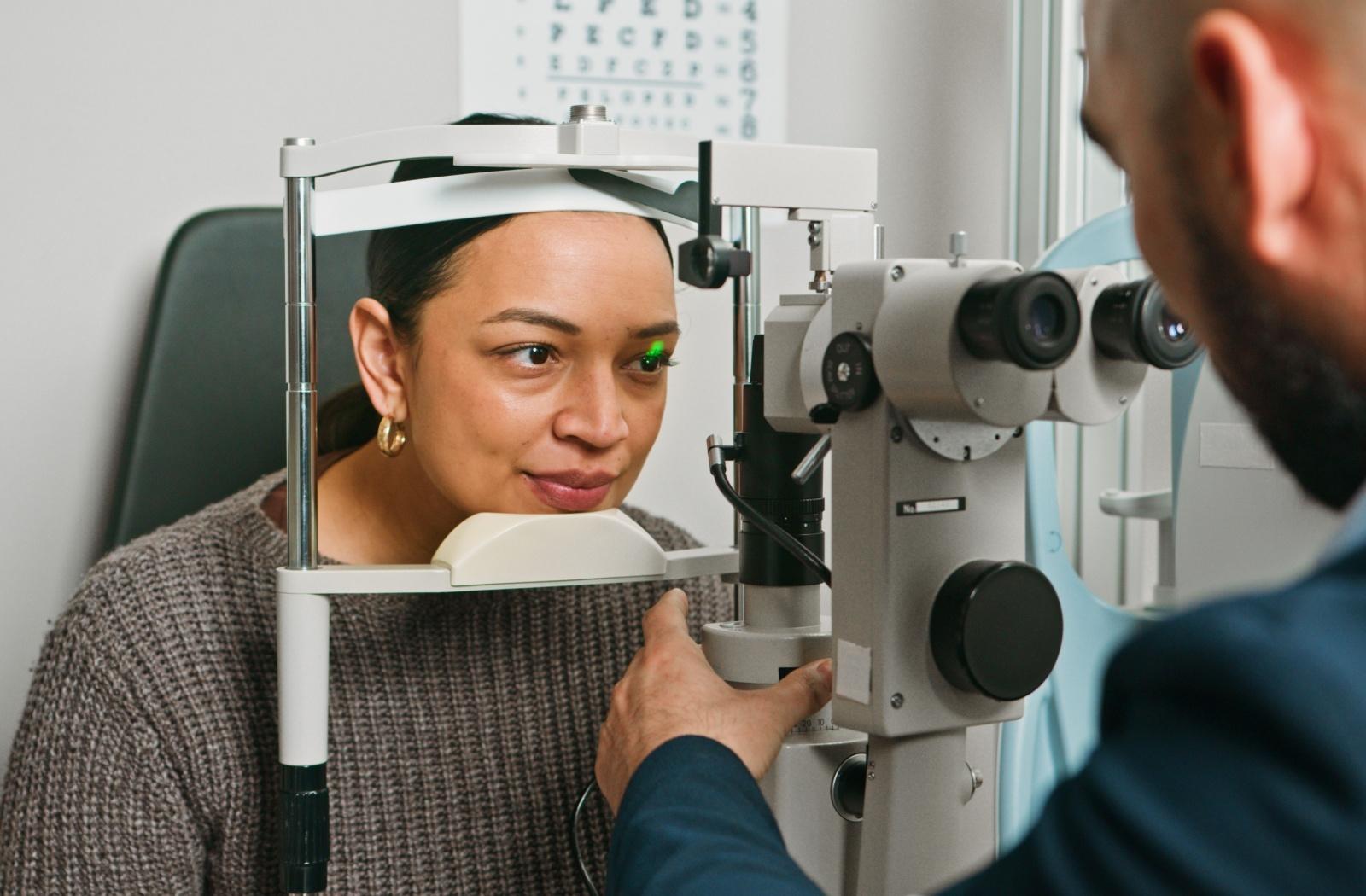
Glaucoma can’t be prevented outright, but early detection and consistent monitoring can help reduce the risk of vision loss. The goal is to catch the condition before it affects quality of life.
Preventive steps for those with or without a genetic risk include:
- Attending routine comprehensive eye exams
- Maintaining healthy blood pressure and blood sugar levels
- Using prescribed eye drops or medications as directed
- Wearing protective eyewear to avoid injuries
- Limiting long-term use of steroid-based medications
Taking Action on Genetic Risk: Why Eye Exams Matter
Glaucoma is often hereditary, and having a family history significantly increases the risk of developing the condition. However, genes are only one part of the equation. Lifestyle, health conditions, and aging also influence how and when glaucoma develops. Whether or not you’ve inherited specific gene mutations, regular eye exams are key to early detection and timely management.
If you have concerns about hereditary glaucoma or are unsure about your personal risk, a conversation with an eye care provider can offer guidance. Through thorough evaluations and modern diagnostic tools, professionals can help identify risk factors and support your long-term vision needs.
If you’re looking for a screening, book an appointment at ProVision; they offer comprehensive eye health services tailored to patients with a family history of glaucoma and other vision conditions.